

Welcome to London! Your Guide to London. The All About London Team has lived and worked in London for many years. We have detailed knowledge of London, feel free to ask us about Places to visit, places to stay and things to do. London Tours, Attractions, Hotels, Accommodation, Events, Theatre, Shows and Places to eat.
Tuesday, 21 May 2013
Letters: The tube is a great public institution | UK news | The Guardian
Letters: The tube is a great public institution | UK news | The Guardian: "The London Underground came into public ownership in 1933. Above, the Piccadilly Line extension in the 1930s. Photograph: Fox Photos/Getty Images"


Giant 1950s robot Gygan up for sale | UK news | The Guardian
Giant 1950s robot Gygan up for sale | UK news | The Guardian: "Eight-foot-tall radio-controlled robot capable of responding to voice or light ray commands is to be auctioned in London"


Sunday, 19 May 2013
London Items - Mind The Gap London Underground Pictorial
 Mind The Gap - London Underground Pictorial (BOOK) by Jason Cross

Compared with the main line railways of Britain, the London Underground receives the least attention from those who have an interest in railways. Maybe this is due to the fact that multiple unit trains dominate the system, and locomotive action is rare (though certainly not non-existent), or maybe it is just because the London Underground does what it does best day in, day out, and is very much taken for granted.
To mark the 150th anniversary of the underground, this 80-page pictorial book looks at the system as it is today and from the past few years with old trains being replaced, new trains being introduced, the lines and the stations. All this is presented in full colour, mostly in a one image per page format.
From city landscapes to narrow tunnels, all the underground and surface lines are featured along with every type of unit currently in operation. While the captions contain many historical and technical facts, it is not the intention of this book to be a complete history or technical book.
Printed on glossy art paper, hardback, landscape format, 80 Pages
Publication date - 13/03/2013
Hardback
Dimensions: Height 210mm x Width 280mm
80 pages
Hardback
Dimensions: Height 210mm x Width 280mm
80 pages
ISBN 978-1-907648-05-2
Tunnel vision: stunning picture of Crossrail construction - Transport - News - London Evening Standard
Tunnel vision: stunning picture of Crossrail construction - Transport - News - London Evening Standard: "At first glance you wonder what on earth it is … In fact it’s 40ft under the earth at Stepney Green, where workers on Crossrail posed in one of the world’s largest man-made caverns.
It is a gargantuan 164 ft (50m) long, 44ft (13.4m) wide and 54ft (16.6m) high at its largest point.
The team of 160 workers, who are lowered into the site in a cage-lift, have worked 24 hours a day, seven days a week on the tunnel, which should be finished in the next few months.
The cavern will mark four years since construction started on one of Europe’s largest infrastructure projects.
It is due to be finished in 2018."

It is a gargantuan 164 ft (50m) long, 44ft (13.4m) wide and 54ft (16.6m) high at its largest point.
The team of 160 workers, who are lowered into the site in a cage-lift, have worked 24 hours a day, seven days a week on the tunnel, which should be finished in the next few months.
The cavern will mark four years since construction started on one of Europe’s largest infrastructure projects.
It is due to be finished in 2018."
Saturday, 18 May 2013
Remarkable photographs of Canary Wharf show how busy financial centre was once a thriving port taking in sugar, rum and elephants
- West India Docks was the largest and most expensive building project in world when built in late 18th century
- Manual workers would queue at dock gates for 'call-on' when some would be chosen to do backbreaking work
- Docks heavily bombed during the Blitz and after WWII warehouses were replaced by modern storage sheds
- Now the financial hub of Canary Wharf stands in the area across 97 acres where 93,000 people are employed
By MARK DUELL
|
If you visit West India Quay today in the shadow of the skyscrapers of Canary Wharf, you’ll find a £550-a-night Marriott hotel and thousands of wealthy bankers.
But back in 19th century East London, it was a bustling storage area for goods imported from the West Indies.
The West India Docks were built to great fanfare at the end of the 18th century as a response to overcrowding and theft in the riverside quays.
Scroll down for video

Bustling area: The West India Docks of East London in 1900, with North Quay viewed from the warehouse, which is now the site of Hertsmere Road

Modern-day: West India Quay as it is now, with the £550-a-night Marriott hotel in the centre and West India Quay Docklands Light Railway station to the right of this


Old and new: Sugar being hoisted into warehouses at West India Docks in 1900 (left), where the Museum of London Docklands now stands (right)
At the time, it was the largest and most expensive building project in the world, costing £82million in today’s money and stretching for almost a mile.
The Ledger Building - now a JD Wetherspoon pub - was where dock records were kept and the original gateway was just beyond this point.
Manual workers at the docks were employed as casuals, and would queue at the dock gates for the ‘call-on’ when some would be chosen to work.
These men were often half-starved and desperate to work - but if they were picked, their jobs were backbreaking.
In addition, the abrasive sugar leaking from the sacks rubbed their necks, shoulders and hands raw - giving the quayside the old name of Blood Alley.
The docks were heavily bombed during the Blitz and after the Second World War the warehouses were replaced by modern storage sheds.

Lifted up: A group of men watch at South West India Docks in 1968 as four elephants return from a Chipperfield's Circus tour of South Africa

Hard work: The West India Docks of east London are pictured circa 1935, with bananas being loaded onto rail trucks on the North Quay of the Export Dock

From abroad: Sugar sacks are pictured at the rear of a building in this undated photo from when an era when West India Quay was a thriving area for importation

Today: The rear of the building is pictured nowadays, showing a much quieter scene than would have greeted workers there in the 19th century
These no longer exist but you can still see cranes used in the 1960s, before dock closures began in the 1970s, mainly due to containerisation.
The London upriver docks were not large enough to receive the new ships - and so the Tilbury Docks down the river in Essex were developed.
The building then became derelict - but in 2000 work began on restoring and converting the Grade I-listed building for use as a museum.
Now, the Museum of London Docklands sits in one of only two remaining warehouses erected on the north quay by the West India Dock Company.
Originally built in the 1800s by wealthy merchants and slave plantation owners, these buildings once held great cargoes of sugar, rum and coffee.

Transport: The North Quay of West India Docks in 1925. Manual workers at the docks were employed as casuals, and would queue at the dock gates for the 'call-on'

Today: Nowadays the Museum of London Docklands sits in one of only two remaining warehouses erected on the north quay by the West India Dock Company

Days gone by: The No. 1 warehouse on the North Quay of West India Docks, with the old transit sheds in front, taken in July 1913 by John H Avery and Sons

Present day: The same scene is photographed today, with the Museum of London Docklands to the left. Now more than 93,000 people work in Canary Wharf

From above today: Canary Wharf got its name from the fact that many of the imports which arrived there in the past when it was a dock were from the Canary Islands
Each storey was once a different height - dictated by the cargo's nature. The ground floors were made to store two tiers of hogsheads of ‘clayed’ sugar.
The upper floors stored a single tier of the heavier hogsheads of muscovado sugar, while the top floors held lighter cargoes such as coffee and cocoa.
Now the wider area of Canary Wharf is one of London's two main financial centres and is home to the likes of Barclays, HSBC and KPMG.
The 97-acre estate got its name from the fact that many of the imports which arrived there in the past when it was a dock were from the Canary Islands.
Around 15million sq ft of office and retail space now exist on the site, with the first tenants arriving in 1991. Now more than 93,000 people work there.
- The Museum of London Docklands is celebrating its tenth anniversary this weekend, with the opening of Estuary, an exhibition of contemporary art which brings together the work of 12 artists - each of whom have been inspired by the Thames Estuary. Entry is free, and it runs until October 27
VIDEO: A maritime historian explains the Museum of London Docklands building's history

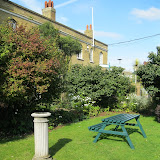
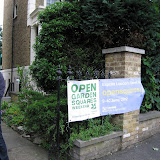
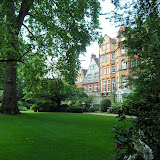
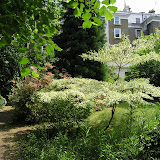
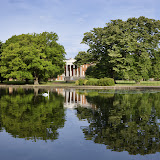
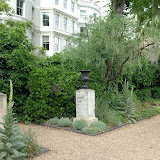
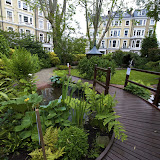
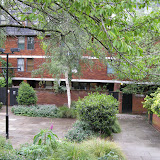
Open Garden Squares Weekend
Saturday 8 and Sunday 9 June 2013, London, United Kingdom
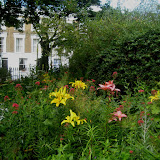
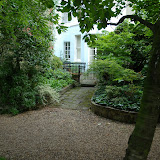
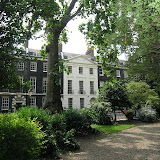
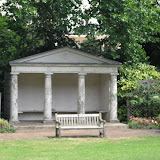
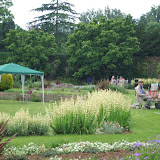
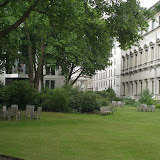
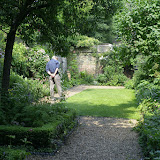
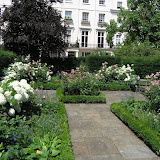
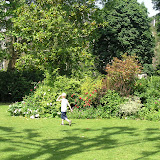
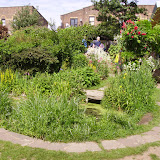
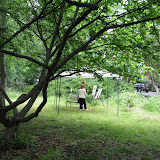
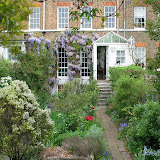
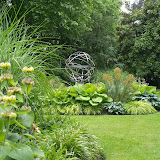
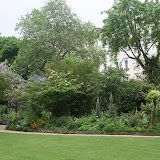
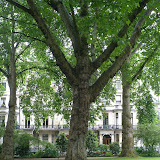
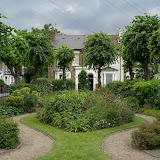
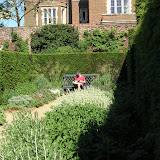
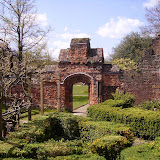
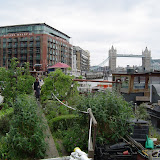
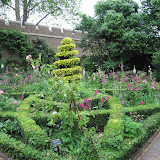
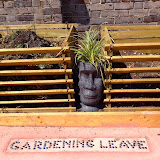
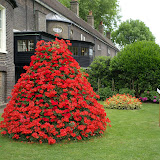
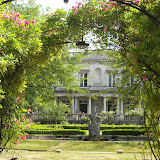
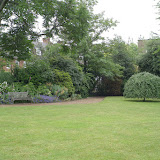
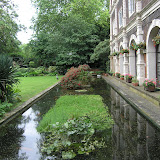
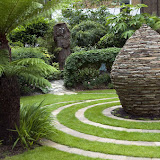
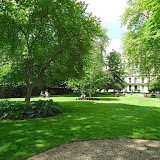
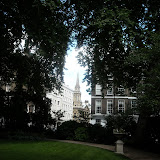
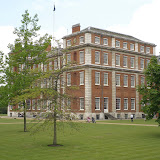
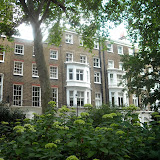
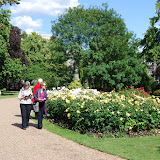
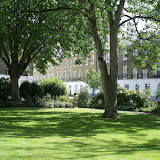
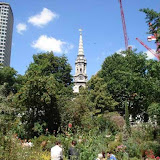
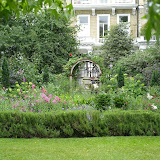
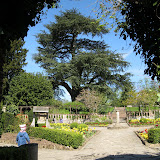
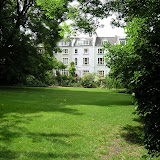
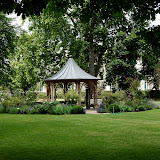
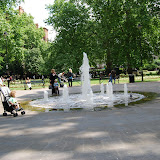
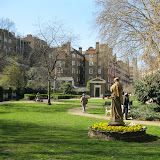
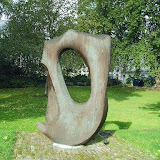
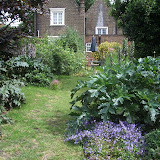
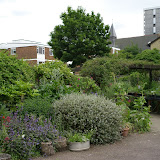
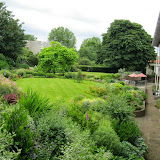
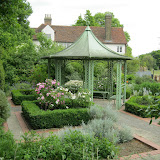
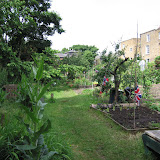
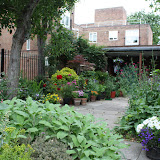
Over 200 private, hidden, unusual and little known gardens open to the public across 27 London boroughs to raise awareness and appreciation of the capital’s urban, green space network. Presented by the London Parks & Gardens Trust in association with The National Trust. Over 200 gardens typically take part including hidden places like the minimalist Zen Garden at The Hempel Hotel, Little Abbey near Westminster Abbey, the Royal College of Physicians' medicinal garden and the garden at 10 Downing Street. With art installations, musical performances, punch and judy shows there will be lots of activities for everyone to take part.
· Advance weekend ticket: £10 (including fees/p&p) available fromwww.opensquares.org or City Information Centre (CIC) at St Pauls.
· Ticket bought over the Weekend: £12
· Children under 12: Free admission
· National Trust Members: Half Price tickets (£5 advance/£6)

For more information about Open Garden Squares Weekend and full listings for each participating garden, visit: www.opensquares.org








































Subscribe to:
Posts (Atom)